-
Potted Aquarium Plants, Single Aquarium Plant Pots, Tropica Plants
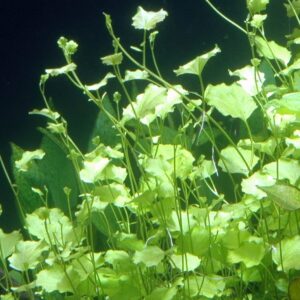
Cardamine Lyrata.
£5.99Cardamine lyrata is actually a marsh plant from Japan. But it is also a familiar aquarium plant which thrives under water with
20-50cm long stems. -

 Potted Aquarium Plants, Single Aquarium Plant Pots, Tropica Plants
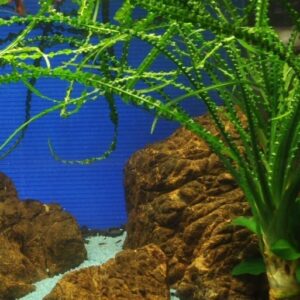
Crinum Calamistratum
£8.99Crinum calamistratum from West Africa is a very graceful bulbous plant with dark-green, very narrow leaves. The curly leaves becomes 40-120 cm long.
It forms smaller bulbs than other Crinum-species, and… -
Potted Aquarium Plants, Single Aquarium Plant Pots, Tropica Plants
Crinum Thaianum
£8.99A popular aquarium plant which forms long leaves 20-50cm+ and 2-5cm wide.
-
 Potted Aquarium Plants, RED PLANTS, Single Aquarium Plant Pots, Tropica Plants
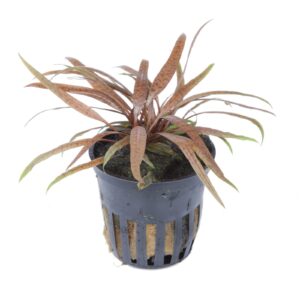
Cryptocoryne albida ‘Brown’
£5.99This little Cryptocoryne comes from Asia, and grows naturally in for instance Thailand. The narrow, red-brown leaves have clear, black patterns and
beautifully waving leaf edges -

 Potted Aquarium Plants, Single Aquarium Plant Pots, Tropica Plants
Cryptocoryne Beckettii ‘Petchii’
£5.99Cryptocoryne beckettii ‘Petchii’ is a small variety of Cryptocoryne beckettii from Sri-Lanka, which has beautiful, slightly fluted leaf margins
10-15cm long. -
1-2-Grow Lab Plants, Tissue Culture Aquarium Plants, Tropica Plants
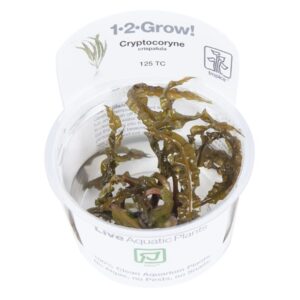
Cryptocoryne Crispatula ( 1-2-Grow )
Original price was: £5.99.£5.39Current price is: £5.39.Cryptocoryne crispatula var. balansae is from Southern Thailand where there are limestone mountains, and the water can be very hard. Like many other Cryptocorynes it needs to acclimatise before growth…
-

 Potted Aquarium Plants, Single Aquarium Plant Pots, Tropica Plants
Cryptocoryne Crispatula Balansae.
£8.99Cryptocoryne crispatula from Southern Thailand where there are limestone mountains, and the water can be very hard. Like many other
Cryptocorynes it needs to acclimatise before growth starts in earnest. -

 Potted Aquarium Plants, Single Aquarium Plant Pots, Tropica Plants
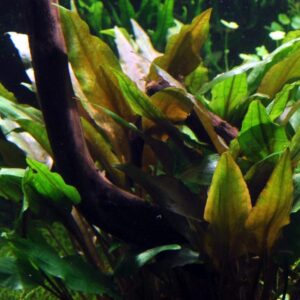
Cryptocoryne Undulata ‘Broad Leaves’
£5.99The triploid variety of Cryptocoryne undulate from Sri-Lanka has wider leaves and a beautiful, flecked leaf pattern. It also grows
larger, from 15-25cm, and the single rose becomes 10-20cm wide. -
1-2-Grow Lab Plants, RED PLANTS, Tissue Culture Aquarium Plants, Tropica Plants
Cryptocoryne Undulatus ‘Red’ Broadleaf( 1-2-Grow )
Original price was: £5.99.£5.39Current price is: £5.39.This red version of Cryptocoryne undulata grows wild in rivers of Sri Lanka.
It is an easy plant, tolerant of very different conditions in an aquarium. Appearance of the plant will…
-
1-2-Grow Lab Plants, Tissue Culture Aquarium Plants, Tropica Plants
Cryptocoryne Wendtii ‘Green’ ( 1-2-Grow )
Original price was: £5.99.£5.39Current price is: £5.39.Cryptocoryne wendtii ‘Green’ is suitable for small aquariums with a height from 10-15 cm and a roset from 8-15 cm wide. When grown in an open space the leaves will…
-

 Potted Aquarium Plants, Single Aquarium Plant Pots, Tropica Plants
Cryptocoryne Wendtii ‘Tropica’
£5.99This beautiful variety with the dark, hammered leaves is named after ‘Tropica’. When grown in an open space the leaves will virtually lie on the
bottom. It is suitable for small… -
 Mother Plants / XL Pots, Tropica Plants
Cryptocoryne Wendtii ‘Tropica’ XL
£23.99Mother Plants or XL pots are extra large plants which are more robust and give immediate luxuriance. These can be
used together with AquaDecor products in Cichlid aquariums as well.