

-

 1-2-Grow Lab Plants, Tissue Culture Aquarium Plants, Tropica Plants
Hygrophila Pinnatifida ( 1-2-Grow )
£5.99Hygrophila pinnatifida originates from India. It obtains brown, patched leaves on the surface with a distinctive burgundy colour underneath. It creates horizontal side shoots and the top shoots should be…
-

 Potted Aquarium Plants, Single Aquarium Plant Pots, Tropica Plants
Hygrophila Polysperma
£5.99Hygrophila Polysperma from South-East Asia is one of the hardiest aquarium plants available. It is particularly good for beginners because
it grows in almost all conditions. -

 Mini Pots, Potted Aquarium Plants, Tropica Mini Pots, Tropica Plants
Hygrophila Siamsensis 53B Mini Pot **( 2 pcs )**
£7.98Grown in a coconut fibre mini-pot to plug and grow in your aquarium.
Hygrophila corymbosa Siamsensis 53B , is a variety of Hygrophila.
It will form an incredible amount of side shoots… -

 1-2-Grow Lab Plants, Tissue Culture Aquarium Plants, Tropica Plants
Hygrophla lancet ‘Araguaia’ ( 1-2-Grow )
£5.99“Araguaia” is a river system in Brazil and it is under this name that the plant has become known.
There are many signs, however, that the plant is Hygrophila Lancea from… -
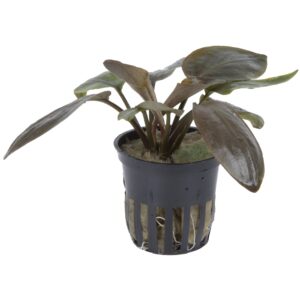
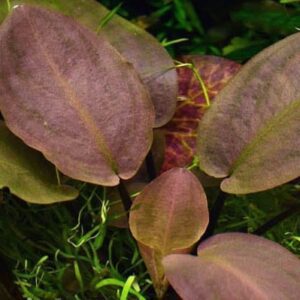 Potted Aquarium Plants, RED PLANTS, Single Aquarium Plant Pots, Tropica Plants
Lagenandra Meeboldii ‘Red’
£5.99This plant is originally from India and is quite similar to a medium-sized, broad-leaved Cryptocoryne. It can be used
in the aquarium like Cryptocorynes, but needs sufficient light to develop colours. -

 Potted Aquarium Plants, Single Aquarium Plant Pots, Tropica Plants
Limnophila Aquatica
£5.99An extremely beautiful aquarium plant circled by light-green and finely branched leaves from South-East Asia.
In the right growing conditions with added CO2 and a nutritious bottom this plant grows fast… -
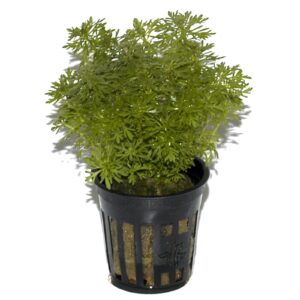
 Potted Aquarium Plants, Single Aquarium Plant Pots, Tropica Plants
Limnophila Sessiliflora
£5.99Limnophila sessiliflora is a good and undemanding plant from South-East Asia which is a good alternative to Cabomba, which demands a
lot of light. Stems grow fast up to 40cm long… -
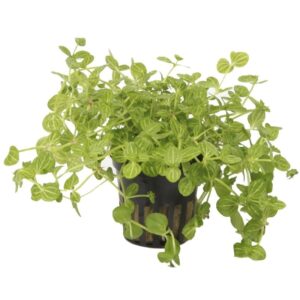
 Potted Aquarium Plants, Single Aquarium Plant Pots, Tropica Plants
Lindernia Rotundifolia
£5.95Lindernia Rotundifolia grows on a sandy banks along streams in Asia. The plant is undemanding and the stems with marbled
leaves quickly form compact groups. -
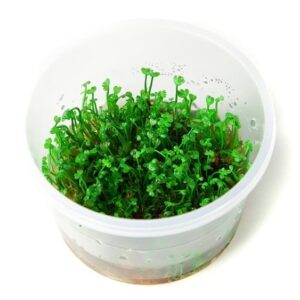
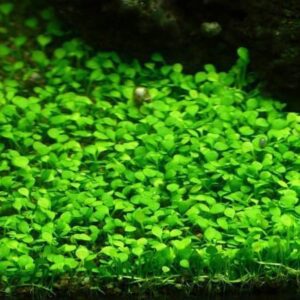 1-2-Grow Lab Plants, Carpeting Plants, Tissue Culture Aquarium Plants, Tropica Plants
Marsilea Crenata Minuta ( 1-2-Grow )
£5.99This small fern comes from Asia where it often grows in rice fields. The leaves are tiny and rarely wider than 0.5cm.
It is a hardy plant that tolerates poor light… -

 Potted Aquarium Plants, Single Aquarium Plant Pots, Tropica Plants
Microsorum Pteropus ‘Narrow’
£5.99Microsorum pteropus is a highly variable species, and new varieties are easily bred. Microsorum pretors ‘Narrow’ has
narrower leaves, which grow at a less acute angle from the stem than… -
 Mother Plants / XL Pots, Tropica Plants
Microsorum Pteropus XL.
£23.99Mother Plants or XL pots are extra large plants which are more robust and give immediate luxuriance. These can be
used together with AquaDecor products in Cichlid aquariums as well. -

 Potted Aquarium Plants, Single Aquarium Plant Pots, Tropica Plants
Microsorum Pteropus.
£6.99Microsorum Pteropus is a water fern from Asia, 15-30cm tall which should be grown on a root or stone, attached with
fishing line or black cotton until it has gained a…
