-
 Potted Aquarium Plants, Single Aquarium Plant Pots, Tropica Plants
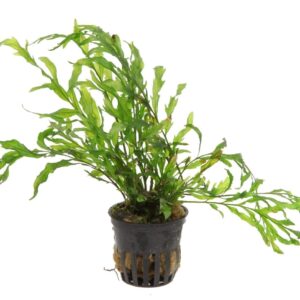
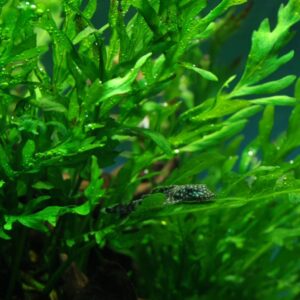
Bolbitis Heudelotii
£5.99Bolbitis comes from west Africa, a fern with very beautiful transparent green leaves, 15-40cmcm tall and wide. When planting do
not cover the rhizome because it will rot, and its best… -

 Potted Aquarium Plants, Single Aquarium Plant Pots, Tropica Plants
Bucephalandra Wavy Green ‘ Bukit Kelam’
£7.99In nature, Bucephalandra usually grows on rocks or wood in rivers and streams – much like Anubias, which they resemble regarding use and care in the aquarium.
Bucephalandra ‘Wavy Green’ is…
-
Potted Aquarium Plants, Single Aquarium Plant Pots, Tropica Plants
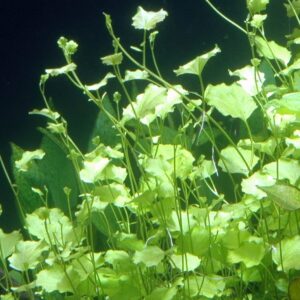
Cardamine Lyrata.
£5.99Cardamine lyrata is actually a marsh plant from Japan. But it is also a familiar aquarium plant which thrives under water with
20-50cm long stems. -

 Potted Aquarium Plants, Single Aquarium Plant Pots, Tropica Plants
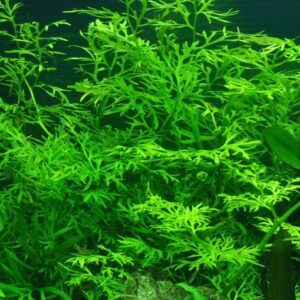
Ceratopteris Thalictroides
£4.99This plant normally grows fast, but the addition of CO2 may be necessary to promote growth. In small open aquariums it can grow out of the
aquarium and form beautiful surface… -

 Potted Aquarium Plants, Single Aquarium Plant Pots, Tropica Plants
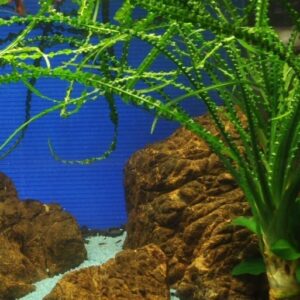
Crinum Calamistratum
£8.99Crinum calamistratum from West Africa is a very graceful bulbous plant with dark-green, very narrow leaves. The curly leaves becomes 40-120 cm long.
It forms smaller bulbs than other Crinum-species, and… -
Potted Aquarium Plants, Single Aquarium Plant Pots, Tropica Plants
Crinum Thaianum
£8.99A popular aquarium plant which forms long leaves 20-50cm+ and 2-5cm wide.
-
 Potted Aquarium Plants, RED PLANTS, Single Aquarium Plant Pots, Tropica Plants
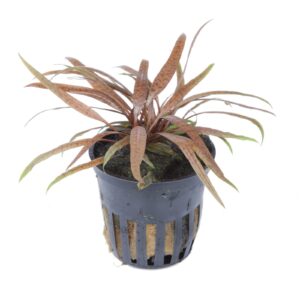
Cryptocoryne albida ‘Brown’
£5.99This little Cryptocoryne comes from Asia, and grows naturally in for instance Thailand. The narrow, red-brown leaves have clear, black patterns and
beautifully waving leaf edges -

 Potted Aquarium Plants, Single Aquarium Plant Pots, Tropica Plants
Cryptocoryne Beckettii ‘Petchii’
£5.99Cryptocoryne beckettii ‘Petchii’ is a small variety of Cryptocoryne beckettii from Sri-Lanka, which has beautiful, slightly fluted leaf margins
10-15cm long. -

 Potted Aquarium Plants, Single Aquarium Plant Pots, Tropica Plants
Cryptocoryne Crispatula Balansae.
£8.99Cryptocoryne crispatula from Southern Thailand where there are limestone mountains, and the water can be very hard. Like many other
Cryptocorynes it needs to acclimatise before growth starts in earnest. -

 Potted Aquarium Plants, Single Aquarium Plant Pots, Tropica Plants
Cryptocoryne Parva
£5.99Cryptocoryne parva is one of the smallest varieties of Cryptocoryne.
-

 Potted Aquarium Plants, Single Aquarium Plant Pots, Tropica Plants
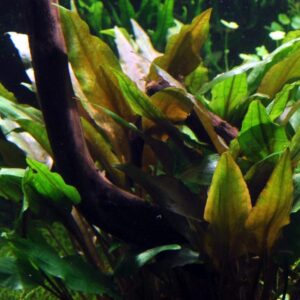
Cryptocoryne Undulata ‘Broad Leaves’
£5.99The triploid variety of Cryptocoryne undulate from Sri-Lanka has wider leaves and a beautiful, flecked leaf pattern. It also grows
larger, from 15-25cm, and the single rose becomes 10-20cm wide. -
 Potted Aquarium Plants, Single Aquarium Plant Pots, Tropica Plants
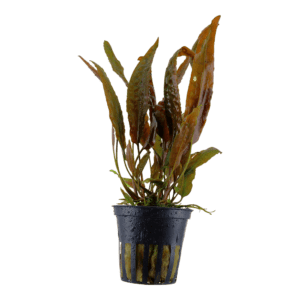
Cryptocoryne Usteriana
£5.99A taller Cryptocoryne which can easily reach 50cm tall,
with dark green or bronze leaves.