The Future of Aquarium Plants
The Future of Aquarium Plants: The Advantages of Aquarium Plant Clips
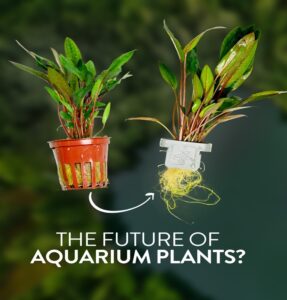
For decades, aquarium plants have typically been supplied in plastic pots filled with rockwool.
While this method protects plants during transport and retail display, it also creates extra work
for hobbyists and introduces unnecessary waste into the aquarium.
Aquarium Plant Clips represent a refined, modern alternative. Plant clips are designed to improve
plant health, simplify planting, and reduce plastic use. Below is a comprehensive breakdown of the
advantages and why they are rapidly becoming the preferred format for aquascapers and everyday hobbyists alike.
1. Faster, Cleaner Planting
 Traditional potted plants typically require several preparation steps:
- Remove the plastic pot
- Strip away rockwool
- Rinse roots thoroughly
- Divide the plant if necessary
Plant clips eliminate most of this process. Because the roots are not embedded in rockwool, you can plant
directly into the substrate with minimal preparation. This reduces planting time, minimizes root damage,
and helps keep water clearer during setup.
2. Healthier Root Systems
Rockwool retains moisture well, but it can trap debris, restrict oxygen flow (if not fully removed),
and impede natural root spread. With plant clips, roots are free and more natural, encouraging faster
root establishment, better substrate penetration, and improved nutrient uptake.
In practical terms, plants often transition more quickly into active growth once placed in the aquarium.
3. Reduced Plastic and Waste
Sustainability is increasingly important in the aquarium industry. Traditional potted plants generate
plastic pots, rockwool waste, and additional packaging material.
Plant clips use significantly less plastic than conventional pots and remove the need for rockwool entirely.
That means less waste for the hobbyist and reduced environmental impact overall.
4. Cleaner Aquarium Setup
Anyone who has planted potted plants knows the common issues:
- Loose rockwool floating in the water
- Fine fibers clogging filters
- Cloudy water after planting
Plant clips drastically reduce this mess. Since there is no rockwool to remove, your tank stays cleaner
during setup—especially valuable for high-end aquascapes, show tanks, client installations, and retail displays.
5. Improved Plant Quality and Consistency
Plant clips support better handling during cultivation and shipping. Benefits can include stable plant
positioning without compressing roots, better air circulation around the root system, and a reduced risk of rot.
Because the roots are visible and accessible, quality control is easier too—customers can clearly see the
root health and density before planting.
6. Better for Aquascaping Precision
Modern aquascaping emphasizes detail and control. With plant clips, individual stems are typically easier
to separate, placement is more precise, and fine adjustments are simpler.
This is particularly beneficial for carpet plants, stem plant groupings, and any layout work where accuracy matters.
7. Retail Display Advantages
For retailers, plant clips can offer operational benefits such as:
- Cleaner presentation
- Reduced mess in store tanks
- Less maintenance from loose rockwool
- A modern, innovative product format
They can also visually communicate sustainability and premium quality, helping differentiate product offerings.
8. Stronger Start, Faster Growth
Because roots are not compacted inside rockwool, plants often establish more quickly. Once placed into
nutrient-rich substrate, they can anchor faster and begin nutrient uptake immediately—supporting earlier,
more stable growth.
Why Aquarium Plant Clips Represent the Future
Aquarium plant clips are not just a minor packaging tweak—they represent a structural improvement in how aquatic
plants are delivered, planted, and maintained.
They provide:
- Less waste
- Faster setup
- Cleaner aquariums
- Healthier roots
- Improved planting precision
- Stronger long-term growth
As sustainability and efficiency continue to shape the aquarium industry, plant clips are positioned not just as an
alternative—but as a new standard.